Industrial automation is evolving rapidly as companies look for better productivity, higher reliability, improved safety, and greater visibility into their operations.
From advanced control systems to Industrial Internet of Things (IIoT) technologies, today’s industrial facilities are becoming more connected and data-driven.
For industries across Pakistan and global markets, understanding these developments can help organizations plan smarter investments in automation and electrical infrastructure.
1. Growing Adoption of Industrial Automation
Industries are increasingly moving from manual processes toward automated control and monitoring.
PLC, DCS, SCADA, HMI, and RTU systems allow plants to monitor equipment and processes while reducing dependence on manual intervention.
Automation can also provide better consistency and faster response to process abnormalities.
2. Industrial IIoT and Connected Equipment
Industrial IIoT is changing how companies collect and use operational data.
Connected sensors and industrial equipment can provide information about:
- Equipment condition
- Energy consumption
- Production performance
- Process parameters
- Alarms and faults
- Maintenance requirements
This information can help engineering teams make more informed decisions.
3. Predictive Maintenance
Traditional maintenance strategies often depend on fixed schedules or responding after equipment failure.
Predictive maintenance uses equipment data, condition monitoring, and analytics to identify potential problems before they result in major failures.
This approach can help reduce unexpected downtime and improve asset utilization.
4. Digitalization of Industrial Plants
Digital transformation is becoming an important part of industrial modernization.
Modern plants are increasingly integrating automation systems with databases, dashboards, analytics platforms, industrial networks, and enterprise systems.
The objective is not simply to collect more data but to turn operational data into useful information for engineers, operators, and management.
5. Industrial Cybersecurity
As industrial systems become more connected, cybersecurity becomes increasingly important.
PLC, DCS, SCADA, HMI, remote access, and industrial networks must be protected against unauthorized access and potential disruptions.
Industrial cybersecurity should therefore be considered during system design, modernization, networking, and maintenance.
6. Importance of Skilled Engineering
Technology alone cannot deliver a successful automation project.
Industrial facilities need experienced engineers who understand process requirements, instrumentation, electrical systems, control architecture, networking, commissioning, and maintenance.
Proper engineering and commissioning help ensure that new systems work reliably in real industrial environments.
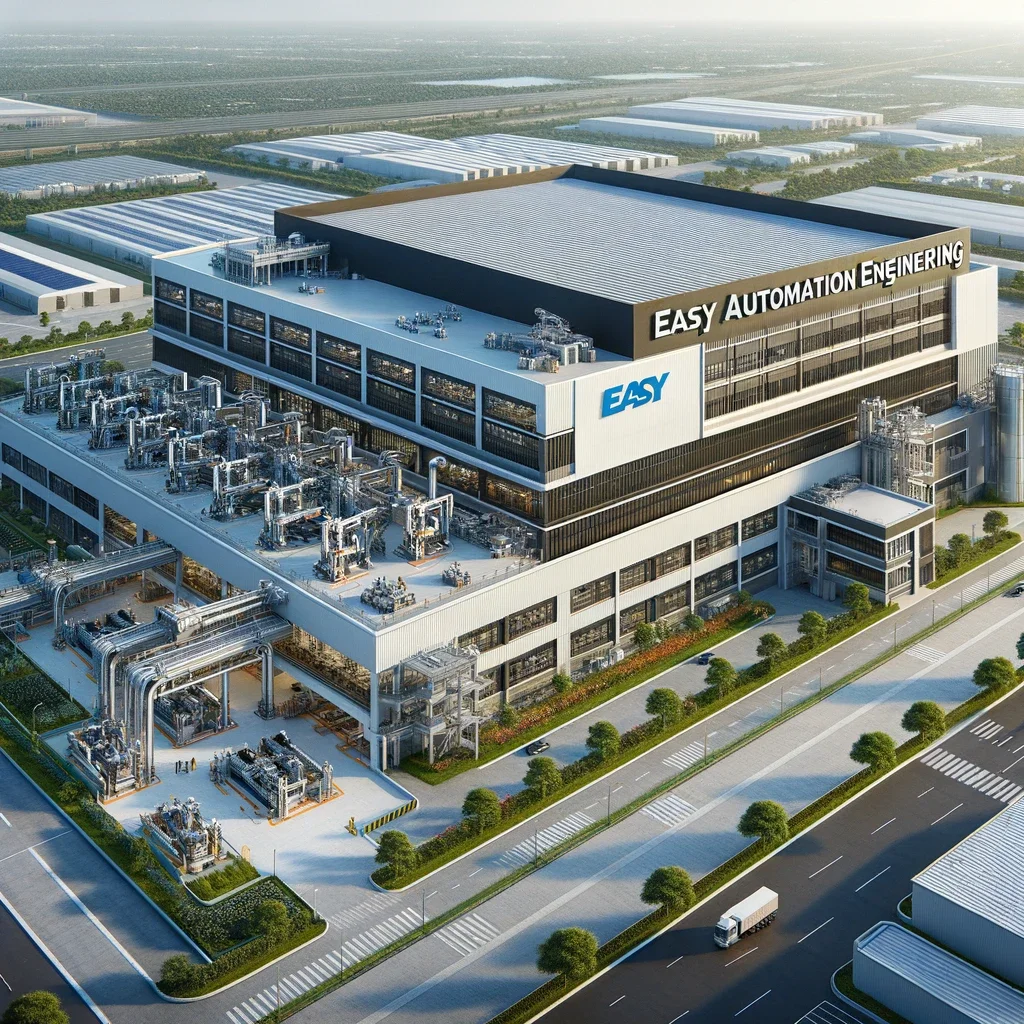
Easy Automation Engineering
Easy Automation Engineering supports industrial clients with automation, electrical engineering, field instrumentation, control panels, commissioning, calibration, maintenance, and digital transformation solutions.
Our capabilities cover industries including cement, oil and gas, power, sugar, fertilizer, chemical, textile, steel, food and beverage, water and wastewater, pharmaceutical, and mining.
Looking Ahead
The future of industrial operations will increasingly depend on connected systems, accurate instrumentation, intelligent control, reliable electrical infrastructure, and better use of operational data.
Companies that invest strategically in automation and digital technologies can position their facilities for improved efficiency, reliability, and long-term competitiveness.
Planning an industrial automation or modernization project? Contact Easy Automation Engineering to discuss your requirements.